

Choosing the right heating system is essential for staying comfortable during Ontario’s long, freezing winters. With temperatures in London, Ontario, often dropping below freezing, homeowners need a dependable solution that delivers consistent warmth without unnecessary energy expenses. Two popular options are traditional furnaces and modern heat pumps. Both systems provide reliable home heating, but they operate differently and offer distinct advantages.
At Comfort Living HVAC, we help homeowners understand their heating and cooling options so they can make informed decisions. Whether you are replacing an ageing furnace or looking for reliable furnace maintenance in London, understanding how your heating system performs in Ontario’s climate can help you make the right decision. Regular maintenance also helps keep your furnace operating efficiently and reduces the risk of unexpected breakdowns. Let’s explore the differences, benefits and important considerations before making a decision.
1. Understanding How Heat Pumps and Furnaces Work
Before comparing performance, it is important to understand how these heating systems generate warmth. Although both maintain comfortable indoor temperatures, their operating principles are quite different. Your home’s insulation, heating requirements and energy preferences can influence which option makes the most sense.
How Does a Heat Pump Work?
A heat pump transfers heat rather than generating it through fuel combustion. During winter, an air-source heat pump extracts available thermal energy from outdoor air and transfers it inside your home. Even when temperatures fall below freezing, outdoor air contains usable heat.
Modern cold-climate heat pumps are designed to handle Canada’s harsh winter conditions. According to Heat Pump Guidelines from Natural Resources Canada, certain models can operate at outdoor temperatures as low as -30°C, although performance and heating capacity vary by model.
If you’re considering heat pump installation London, understanding how these systems operate can help you choose a suitable model for your home’s heating and cooling needs. Another advantage is year-round functionality. During summer, the system reverses its operation to remove indoor heat, providing air conditioning without requiring an entirely separate heating and cooling system.
How Does a Furnace Work?
A furnace generates heat by burning natural gas or using electricity, depending on its design. In a typical natural gas system, a burner heats a heat exchanger, while a blower distributes warm air throughout the home using ductwork.
Furnaces remain a popular choice across Ontario because they deliver dependable heating during extremely cold weather. They can also provide warm air quickly, making them suitable for households that prefer traditional heating performance.
With regular furnace maintenance, a properly installed high-efficiency furnace can provide years of dependable operation.
2. Heat Pump vs Furnace: Key Differences for Ontario Winters
Both systems can keep your home comfortable, but their efficiency, operating costs and seasonal capabilities deserve careful consideration. The right choice depends on how you use energy, your existing equipment and the temperature conditions your property experiences throughout the year.
The following comparison highlights the main differences homeowners should understand before choosing a replacement or upgrading their heating equipment.
Feature | Heat Pump | Gas Furnace |
|---|---|---|
Heating method | Transfers outdoor heat indoors | Generates heat through combustion |
Energy source | Electricity | Natural gas |
Cold-weather performance | Depends on model and outdoor temperature | Reliable in extremely cold conditions |
Energy efficiency | Can deliver multiple units of heat per unit of electricity | High-efficiency models convert most fuel energy into heat |
Cooling capability | Provides heating and cooling | Requires separate air conditioning |
Maintenance | Requires regular inspections | Requires regular servicing |
Environmental impact | No on-site combustion | Produces combustion emissions |
Backup heating | May require supplementary heating | Usually operates independently |
Energy Efficiency and Operating Costs
Heat pumps can be highly efficient because they move existing heat instead of creating it through combustion. However, their efficiency decreases as outdoor temperatures fall, and electricity prices must be considered when comparing operating costs.
A high-efficiency gas furnace may offer predictable heating expenses, particularly in homes already connected to natural gas. The most economical option depends on local utility rates, equipment performance, insulation and household heating habits.
Performance During Extreme Cold
A furnace can maintain its rated heating output regardless of outdoor air temperature, provided it is correctly sized and supplied with fuel. A cold-climate heat pump can also perform effectively during freezing conditions, but its heating capacity may decrease during severe cold.
For this reason, some Ontario homeowners choose a dual-fuel system that combines a heat pump with a gas furnace. This arrangement allows the heat pump to handle suitable conditions while the furnace provides additional heating when required.
3. Benefits of Installing a Heat Pump in London, Ontario
Heat pumps have become an attractive option for homeowners looking for versatile heating and cooling solutions. Their ability to operate throughout the year makes them particularly appealing for properties that need both winter heating and summer cooling.
When properly selected and installed, a modern system can improve energy performance while reducing dependence on conventional fuel-based heating. However, the equipment must match the home’s heating requirements and local climate conditions.
One System for Heating and Cooling
One of the biggest advantages is year-round comfort. A heat pump provides warmth during winter and cooling during summer, reducing the need for separate heating and cooling equipment.
This makes heat pump installation worth considering when replacing older equipment or planning a complete home comfort upgrade. Homeowners can also explore suitable cooling options to maintain comfortable indoor temperatures throughout summer.
Improved Energy Performance
Because heat pumps transfer thermal energy, they can provide more heat energy than the electricity they consume. Their actual efficiency depends on outdoor temperatures, equipment specifications and operating conditions.
Other advantages include:
Reduced reliance on fossil fuels for home heating.
Efficient heating during moderate winter temperatures.
Heating and cooling functionality in one system.
Compatibility with certain existing ductwork arrangements.
Potential long-term energy savings when correctly selected.
Actual savings depend on electricity rates, backup heating requirements, system efficiency and household usage.
4. Why Furnaces Remain a Reliable Choice for Ontario Homes
Despite the growing popularity of heat pumps, furnaces continue to play an important role in residential heating. Their ability to generate consistent warmth makes them a practical solution for homeowners who prioritize dependable performance during severe winter conditions.
For properties with existing natural gas connections, replacing an older furnace with a modern high-efficiency model may also be a straightforward upgrade. The decision should consider equipment condition, installation expenses and expected energy consumption.
Dependable Heating During Freezing Weather
A gas furnace does not depend on extracting heat from outdoor air. It generates warmth through combustion, allowing it to maintain heating performance even when outdoor temperatures become extremely low.
This reliability is especially valuable during prolonged cold spells. Homeowners can also maintain their existing heating arrangements without making major changes to their electrical service or cooling equipment.
Straightforward Replacement and Maintenance
Replacing an existing furnace may involve fewer system changes than transitioning to a completely different heating technology. Existing ductwork, gas connections and ventilation arrangements may be reusable, subject to professional inspection.
However, older equipment should not be ignored when it starts showing signs of deterioration. Our furnace repair services can help address operational problems and support reliable heating throughout winter.
5. Factors to Consider Before Choosing Your Heating System
There is no universal answer when comparing a heat pump and furnace. The best solution depends on your property, budget, energy consumption and expectations for indoor comfort. Evaluating these factors before purchasing equipment helps prevent unnecessary expenses and performance problems.
We recommend assessing the following considerations with qualified heating and cooling contractors before making your final decision.
Important Considerations for Homeowners
Home insulation: Well-insulated homes retain heat more effectively and can support efficient heat pump operation.
Equipment sizing: An undersized system may struggle to maintain comfort, while oversized equipment can increase costs and affect efficiency.
Energy prices: Compare electricity and natural gas rates when estimating annual operating expenses.
Existing infrastructure: Consider available ductwork, electrical capacity, gas connections and installation requirements.
Long-term plans: Think about future maintenance, equipment lifespan and your expected energy consumption.
How to Make the Right Decision
A professional assessment provides a clearer picture of your home’s heating requirements. Here is a practical approach:
Arrange a heating system inspection to evaluate your current equipment and ductwork.
Review your household’s previous energy bills to understand seasonal consumption.
Compare suitable heat pump and furnace models using their documented efficiency ratings.
Determine whether supplementary heating or a dual-fuel arrangement is appropriate.
Request a detailed installation estimate covering equipment, labour and required modifications.
Taking these steps helps you compare the total value of each option rather than focusing only on its initial purchase price.
6. Why Professional Installation and Maintenance Matter
Even high-quality equipment cannot deliver its expected performance without proper installation and ongoing care. Heating systems must be correctly sized, configured and maintained to operate safely and efficiently. Poor installation can contribute to uneven temperatures, unnecessary energy consumption and premature component wear.
We provide heating and cooling services in London, Ontario, for homeowners who need dependable support. Our approach focuses on understanding individual property requirements, identifying equipment concerns and recommending appropriate solutions rather than assuming every home needs the same system.
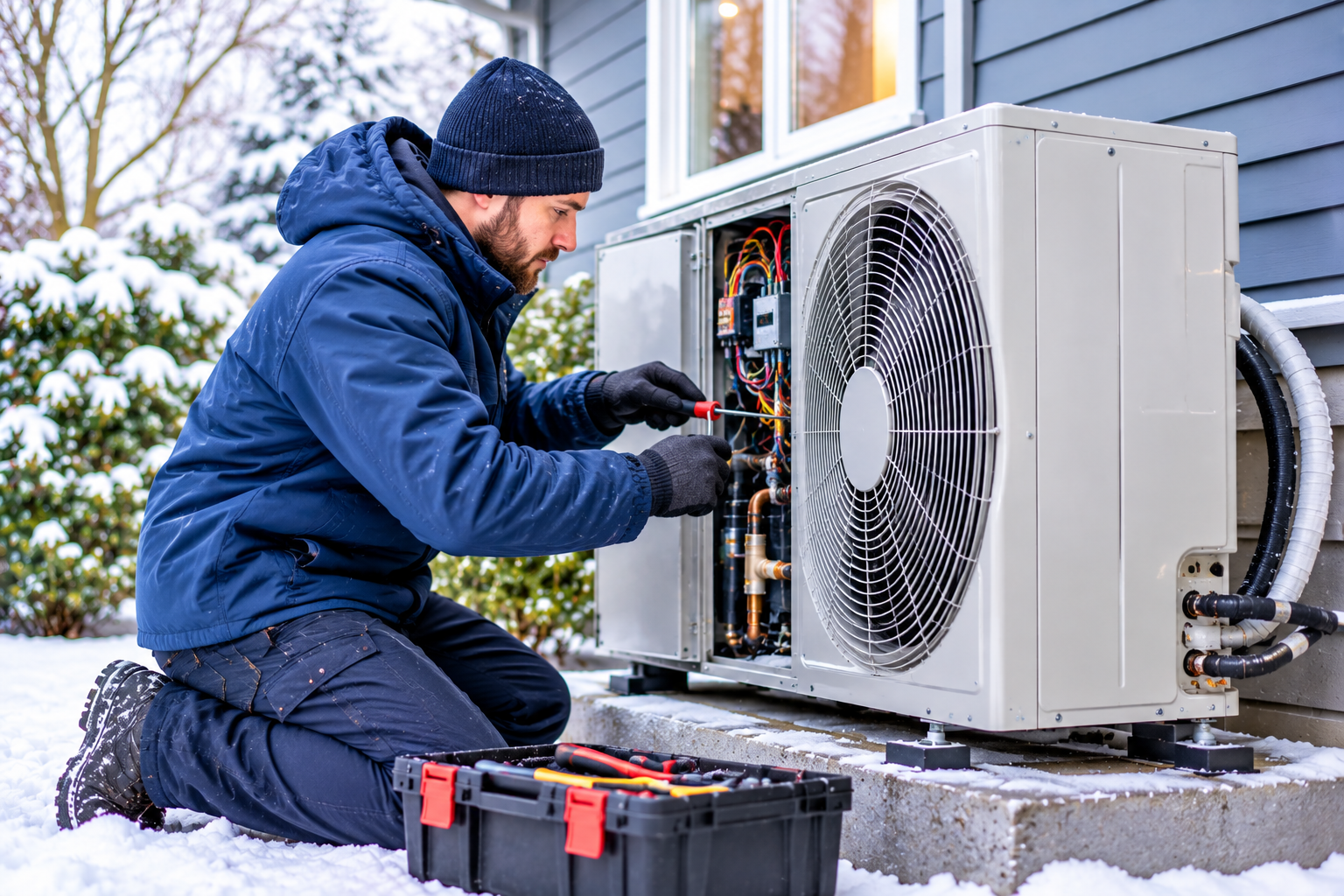
Heat Pump Maintenance and Repairs
Regular maintenance helps identify developing problems before they cause unexpected breakdowns. Outdoor units should remain free of leaves, snow accumulation and other obstructions that interfere with airflow.
Our heat pump repair services support homeowners experiencing unusual noises, reduced heating performance, airflow problems or system malfunctions.
Complete Residential Heating and Cooling Support
Beyond heating equipment, maintaining other household systems is important for year-round comfort. Our residential services also include air conditioning support and water heating solutions.
We provide assistance with:
Heat pump installation and maintenance.
Furnace maintenance and emergency heating repair.
AC installation and maintenance.
Tankless water heater installation.
Hot water system repair and maintenance.
Homeowners experiencing problems with their hot water supply can also explore our tankless hot water heater services for professional assistance.
7. Which Heating System Should You Choose for Ontario Winters?
Choosing between a heat pump and furnace depends on your home’s heating needs, energy costs and budget. While heat pumps offer efficient heating and cooling, furnaces provide dependable warmth during extreme cold. A dual-fuel system can also be a practical option for Ontario homeowners.
Before upgrading, consider your home’s insulation, equipment condition and long-term comfort requirements. We provide reliable heating and cooling solutions to help you make the right choice. Contact our team today to discuss your options and schedule a professional assessment.
Conclusion
A comfortable home starts with the right heating system. Whether you choose a heat pump, a traditional furnace or a dual-fuel setup, understanding your home’s requirements can help you make a better long-term decision. Regular maintenance, timely repairs and professional installation also help keep your equipment operating reliably through Ontario’s changing seasons.
We are committed to helping homeowners with dependable heating and cooling solutions, from new installations to ongoing system maintenance. If you are planning an upgrade or need assistance with your existing equipment, contact us to discuss your needs and find the right solution for your home.